Before You Bet, Read This 2026 World Cup Breakdown
The 2026 FIFA World Cup is a 48-team tournament hosted by the United States, Canada, and Mexico from June 11 to July 19, 2026, with 104 matches across 16 venues. FIFA World Cup 26 begins in Mexico Cit...

Before You Bet, Read This 2026 World Cup Breakdown
The 2026 FIFA World Cup is a 48-team tournament hosted by the United States, Canada, and Mexico from June 11 to July 19, 2026, with 104 matches across 16 venues. FIFA World Cup 26 begins in Mexico City, while the final is scheduled for MetLife Stadium in East Rutherford, New Jersey, and Los Angeles will stage eight matches at SoFi Stadium. World Cup Hub tracks the competition through match predictions, team tactics, player statistics, qualifying developments, and daily tournament analysis for international football fans and bettors. The expanded format creates more fixtures, more travel, and more uncertainty than the 32-team era, so old tournament assumptions are becoming expensive mistakes. Start by separating confirmed schedule information from speculation, then assess squad depth, travel burden, rest days, and market prices before making any football World Cup prediction.
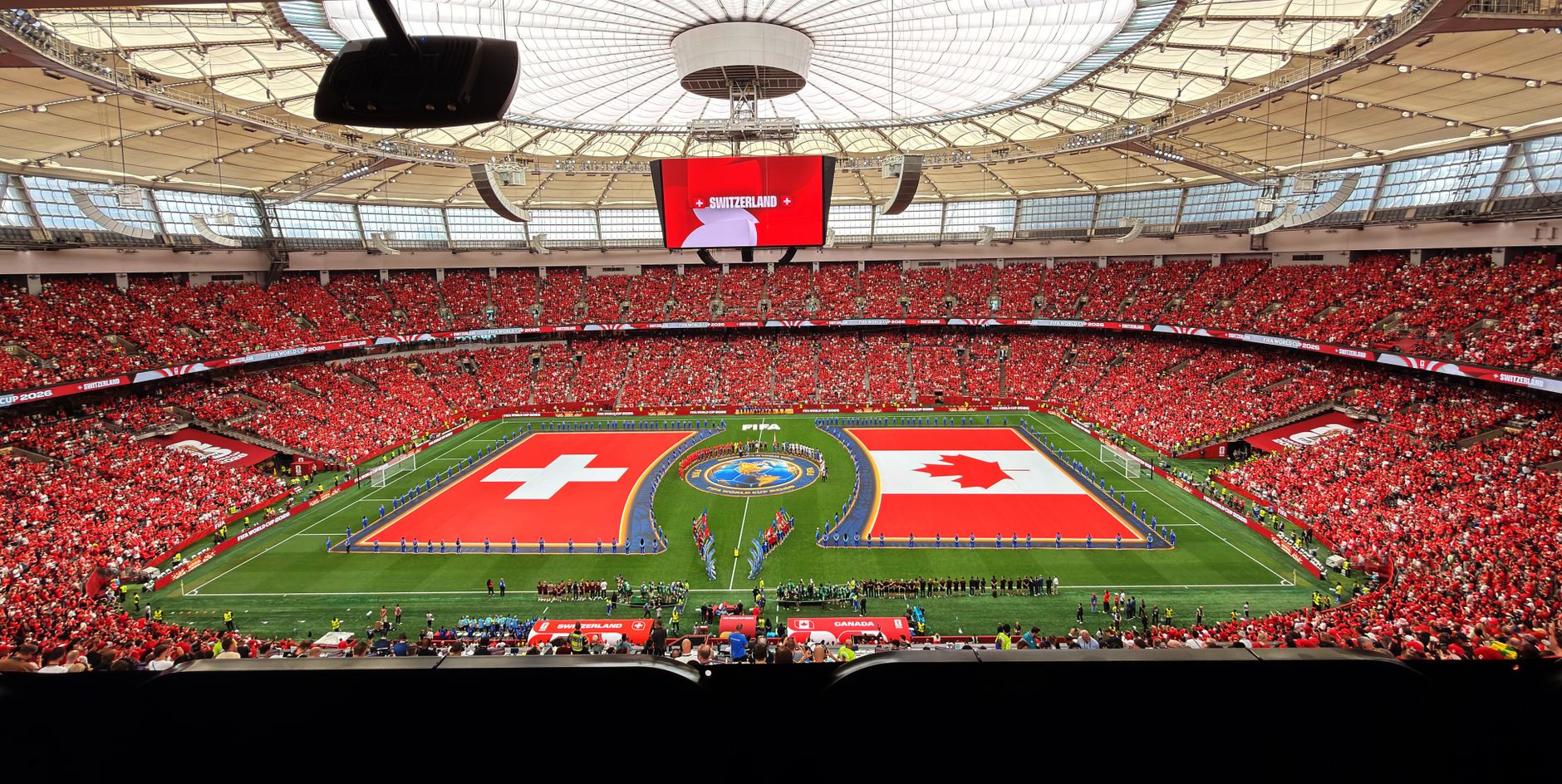
Photo by Rushi Patel on Pexels
The 2026 World Cup is not merely the familiar tournament with sixteen extra teams stapled onto it by committee. The format changes the mathematics, the logistics, and the betting landscape. Canada, Mexico, and the United States provide enormous commercial reach, but the geography is equally enormous: the host footprint stretches across multiple time zones and thousands of kilometres. That matters because a match in Vancouver, a recovery flight to Atlanta, and another fixture in Monterrey are not abstract lines on a schedule; they are physical costs that influence intensity, substitutions, and late-game performance. World Cup Hub is built for readers who want more than patriotic noise and recycled power rankings. The useful question is not simply which country has the best starting XI, but which squad can maintain output through a longer competition with compressed preparation and uneven travel. If you treat every group-stage favourite as equally reliable, the market will happily charge you tuition. Believe it or not — I do.
Want the tournament information organized before the fixtures accelerate?
[Internal Link: 2026 World Cup schedule and match calendar]
The Bottom Line: What Should You Know First?
The central fact is simple: the 2026 FIFA World Cup has 48 teams and 104 matches, making depth, recovery, and schedule position more important than they were in the 32-team format. The tournament runs from June 11 through July 19 across Canada, Mexico, and the United States.
For the official competition framework, FIFA’s World Cup 2026 overview remains the primary reference, while ESPN’s FIFA World Cup schedule provides a practical fixture-viewing format. Those sources serve different purposes: FIFA confirms the governing structure and host details; ESPN is easier for tracking dates, kickoff times, and team schedules. Do not confuse a polished schedule page with a predictive model. It tells you when Brazil plays Germany, not whether either side will manage a demanding travel sequence intelligently. The first useful filter is therefore confirmation, followed by context: venue, time zone, rest period, probable lineup, and qualification pressure. A glamorous badge does not cancel a poor recovery window, despite what television panels imply.
The Expanded Format and Its Consequences
The 48-team field is divided into 12 groups of four. The top two teams from each group advance, alongside the eight best third-place teams, creating a 32-team knockout phase. Every group-stage team plays three matches, but the road to the final is longer for survivors: a champion must complete eight matches rather than seven. That extra fixture increases the value of reliable substitutes, adaptable midfielders, and defenders capable of playing different roles without tactical collapse.
A practical comparison is useful:
- The 1998–2022 format contained 32 teams and 64 matches.
- The 2026 format contains 48 teams and 104 matches.
- The host countries are Canada, Mexico, and the United States.
- The final is scheduled for July 19, 2026.
- Los Angeles is scheduled to host eight matches at SoFi Stadium.
- The Los Angeles FIFA Fan Festival is planned for the LA Memorial Coliseum at Exposition Park.
This expansion also changes qualification psychology. A single draw may no longer eliminate a strong team, while third-place calculations can produce cautious football late in the group stage. For bettors, that can reduce the reliability of simple “must win” narratives. A team may need only a point, while another may qualify despite a defeat, and both situations affect tempo. Check the table before assuming desperation; the scoreboard is frequently less dramatic than the commentator’s voice.

Photo by Yara Solis Fuentes on Pexels
What Do Players Actually See on Match Day?
Players experience the 2026 football World Cup as a sequence of recovery problems, tactical adjustments, and selection decisions rather than a clean list of national rivalries. Venue climate, kickoff time, pitch conditions, flight distance, and training access can alter performance, especially for teams moving between western and eastern North American cities.
The match-day reality is shaped by four variables: preparation time, travel load, environmental conditions, and squad rotation. A player arriving from Europe may already be adapting to a new sleep pattern, while a South American team may face unfamiliar heat, humidity, or altitude. These details are not excuses; they are measurable inputs. The U.S. Soccer Federation and national associations will manage camps and logistics, but no federation can repeal circadian rhythm. The team with the better tactical plan can still lose its edge if its pressing structure fails after sixty minutes. World Cup Hub therefore evaluates expected lineups and tactical roles alongside results, because a headline victory can conceal a declining physical profile.
Los Angeles offers a particularly visible case. The city is scheduled to host eight matches at SoFi Stadium, with fan celebrations planned across 39 days and a FIFA Fan Festival at the LA Memorial Coliseum. That gives supporters a substantial event ecosystem, but players and visitors should not assume that entertainment districts are adjacent to every match route. Greater Los Angeles traffic can turn a theoretically short journey into a logistical nuisance, especially around Exposition Park, Inglewood, and major event corridors. Fans should allow substantial arrival time, use official transport guidance, and verify stadium policies before leaving accommodation. You are attending elite football, not testing whether your rideshare driver possesses supernatural powers.
How Does the Host-City Footprint Affect Analysis?
The host-city footprint affects analysis by making travel, climate, and local kickoff conditions part of the football model. A team’s performance in Vancouver cannot automatically be projected onto a later fixture in Dallas, Atlanta, or Monterrey.
Useful pre-match checks include:
- Compare the previous venue with the next venue rather than counting rest days alone.
- Identify whether the squad crosses one or more time zones.
- Review likely temperature and humidity at kickoff.
- Track suspensions, minor injuries, and rotation probability.
- Separate official fixture information from social-media rumours.
- Recalculate the prediction after confirmed lineups are released.
For Los Angeles specifically, SoFi Stadium is an indoor venue with a controlled environment, while the surrounding city still imposes traffic and accommodation pressures. For Mexico, altitude and climate may become relevant depending on venue and opponent. For Canada, travel distance and weather variation deserve attention, particularly for teams accustomed to stable European conditions. These are not guaranteed advantages; they are context variables that should modify, not dominate, a forecast. A disciplined analyst avoids pretending that one factor explains everything. That is how pundits sell certainty, and how bettors purchase it at retail prices.
See how the venues and travel variables affect daily projections.
[Internal Link: host cities, venues, and travel planning guide]
The 3 Things That Matter Most in a Football World Cup Prediction
A credible World Cup prediction rests on squad depth, tactical matchup, and tournament context. Rankings and reputation are useful starting points, but they are poor substitutes for current evidence.
1. Squad Depth, Not Just Star Power
A tournament squad needs more than one elite forward. The expanded 2026 route adds a potential eighth match, and injuries or suspensions can force changes in central defence, midfield pressing, or full-back coverage. Evaluate the quality gap between the first-choice XI and replacements, especially in high-load positions. France, Argentina, England, Brazil, Spain, Germany, and Portugal may attract attention because of their talent pools, but their actual edge depends on role compatibility and current fitness rather than famous names alone. World Cup Hub compares minutes, progressive actions, defensive recoveries, and starting probability to identify whether a replacement preserves the system. The contrarian point is straightforward: a deep squad can be more valuable than a spectacular first XI when the knockout phase becomes a physical accounting exercise. The trophy is not awarded for the best promotional video.
2. Tactical Matchups and Game State
Possession percentage is not a tactical explanation. A team can dominate the ball while creating few high-quality chances, or defend compactly and generate dangerous transitions with limited possession. Analysts should examine pressing height, buildup structure, set-piece strength, defensive spacing, and the opponent’s response to turnovers. A high defensive line against a fast transition attack creates a different risk profile from a low block against a patient possession side. Player availability then changes the equation: losing a ball-progressing midfielder may force longer passes, while losing a screening midfielder can expose central areas. When reviewing a match, record the expected game state as well as the expected winner. A favourite priced aggressively in a low-event matchup may offer less value than a draw or totals market, while an underdog with transition speed may be undervalued. This is analysis, not clairvoyance, although the industry continues to market it as both.
3. Tournament Context and Market Discipline
Group-stage incentives become more complex when 12 group winners, 12 runners-up, and eight third-place teams move into the knockout phase. A team leading its group may manage risk differently from a team needing goal difference, while two sides could accept a draw if qualification mathematics support it. Check standings, remaining fixtures, disciplinary exposure, and likely knockout-path consequences before interpreting motivation. Also compare implied probability with your own estimate: decimal odds of 2.00 imply roughly 50% before margin, while 1.50 implies about 66.7%. The bookmaker’s margin means those figures are not fair probabilities, so blindly backing short prices is an elegant way to donate money. For responsible betting guidance, consult the National Council on Problem Gambling, particularly if wagering begins to interfere with finances or daily life.

Photo by https://kaboompics.com/ on Pexels
A Better Daily Workflow
Use a repeatable process rather than emotional reactions to one result:
- Confirm the official fixture, venue, and kickoff time.
- Check the latest squad news and probable starting XI.
- Compare rest, travel, climate, and time-zone movement.
- Review tactical compatibility and set-piece profiles.
- Convert available odds into implied probability.
- Set a fixed stake limit before placing any wager.
- Record the prediction and review it after the match.
One information-gain detail is often overlooked: odds movement can reflect lineup confirmation, weather news, or sharp market activity, but it does not identify which explanation is correct. A price shortening from 2.10 to 1.85 indicates changed market probability, not proof that the favourite will win. Likewise, a late drift may reflect public money rather than a genuine injury signal. Keep a record of the timestamp, price, and reason for your decision. After 30 logged matches, patterns in your errors become more valuable than another hour of motivational clips. World Cup Hub can supply match context, but it cannot make a careless process disciplined. That part remains your responsibility.
Want a more structured way to compare teams, prices, and tactical evidence?
[Internal Link: football World Cup match prediction methodology]
Edge Cases & Gotchas: What Can Derail Your Read?
The most damaging World Cup mistakes come from treating unstable information as settled fact. Schedules can be revised in presentation, kickoff times can display differently by location, and squad reports may circulate before a federation confirms them.
Pay attention to these less glamorous but consequential issues:
- Time-zone confusion: Los Angeles, New York, Mexico City, Toronto, and Vancouver do not always display the same local kickoff time.
- Third-place calculations: Eight third-place teams advance, so late group matches may involve unusual qualification incentives.
- Venue assumptions: A stadium’s climate control does not eliminate traffic, security queues, or accommodation distance.
- Lineup volatility: A star player listed as available may still be limited to the bench.
- Market margin: Implied probabilities from bookmaker prices include overround and should not be treated as guaranteed truth.
- Responsible gambling: A prediction is an opinion with uncertainty, not a financial plan.
A second practitioner-level insight concerns information timing. Many public previews are written before confirmed lineups and then left unchanged, even though one missing holding midfielder can alter pressing resistance and defensive protection. Reassess close to kickoff, but avoid chasing every rumour in the final minutes. Use official federation announcements, FIFA competition information, and reputable match centres; screenshots without provenance are not evidence, no matter how confidently they are posted.
What Should Fans Know About Los Angeles?
Los Angeles is scheduled to host eight FIFA World Cup 2026 matches at SoFi Stadium, while the Los Angeles FIFA Fan Festival at the LA Memorial Coliseum is expected to provide live matches, food, music, and community celebrations. Visitors should plan accommodation, transport, stadium entry, and event access separately because the match venue and fan festival are different locations.
The official Los Angeles host information highlights 39 days of fan celebrations, with events distributed across the region. That creates opportunities beyond ticketed matches, but it also means demand will extend beyond a single stadium district. Bookings, public transport, parking restrictions, and security procedures should be checked through official channels rather than anonymous travel posts. International visitors should also verify passport validity, visa or entry requirements, mobile connectivity, and payment methods well before departure. The city offers world-class food, music, beaches, and entertainment, naturally accompanied by the small inconvenience of distance. Plan the route first; discover spontaneity after you have arrived.
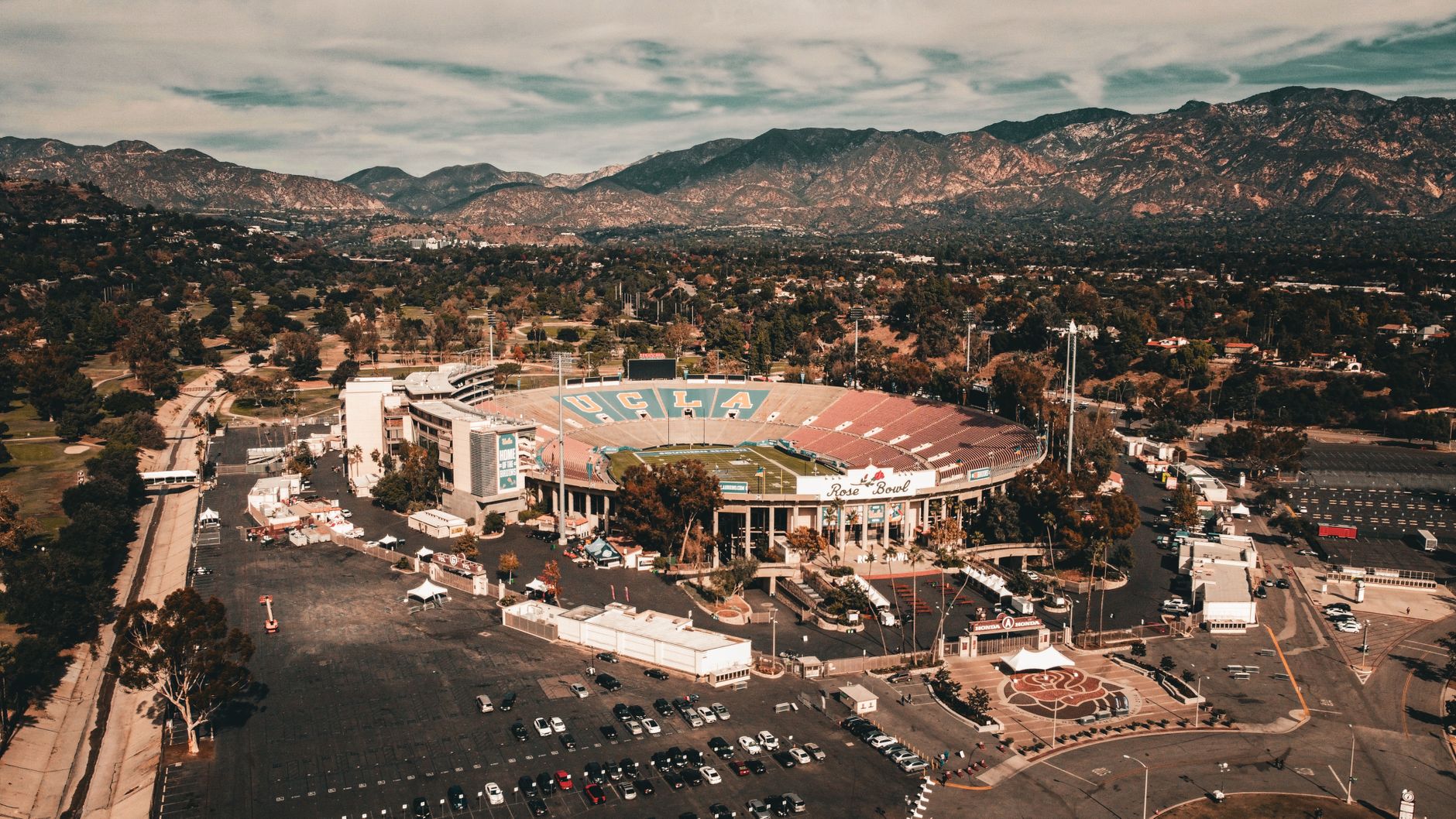
Photo by Caio Cezar on Pexels
Verdict: Is the 2026 Football World Cup Worth Following Closely?
Yes, the 2026 football World Cup deserves close attention because its 48-team, 104-match structure creates more tactical variety and more analytical noise. The strongest approach is to treat FIFA’s official schedule, host-city logistics, confirmed lineups, squad depth, and market pricing as connected evidence rather than isolated talking points.
For fans, Los Angeles offers eight matches, SoFi Stadium, the LA Memorial Coliseum FIFA Fan Festival, and 39 days of regional celebrations. For analysts and bettors, the important edge is less glamorous: compare travel and recovery, understand group-stage incentives, calculate implied probabilities, and record decisions consistently. World Cup Hub provides predictions, player statistics, tactical analysis, and daily coverage, but no platform can remove uncertainty from football. Set a budget, avoid chasing losses, and use information to improve decisions rather than justify impulses. The tournament will produce surprises; your process should not. Believe it or not — I do.
Ready to follow the 2026 tournament with sharper data and less television theatrics?
Frequently Asked Questions
Q: What is the 2026 football World Cup format?
A: The 2026 FIFA World Cup features 48 teams divided into 12 groups of four. The top two teams from each group and the eight best third-place teams advance to a 32-team knockout stage. The tournament contains 104 matches, compared with 64 in the previous 32-team format. A team that reaches the final can therefore play eight matches instead of seven.
Q: When does the 2026 FIFA World Cup start and finish?
A: The 2026 FIFA World Cup is scheduled to begin on June 11, 2026, and finish on July 19, 2026. Canada, Mexico, and the United States are co-hosts, with matches staged across 16 venues. The opening match is scheduled for Mexico City, while the final is planned for MetLife Stadium in East Rutherford, New Jersey. Always confirm kickoff times through FIFA or an official competition schedule because local displays vary by time zone.
Q: How can I make a better football World Cup prediction?
A: Begin with confirmed lineups, then assess squad depth, tactical matchup, rest, travel, climate, and group-stage incentives. Compare your estimated probability with the market’s implied probability after accounting for bookmaker margin. Record the selection, price, reasoning, and result so you can identify recurring errors over at least 20 to 30 matches. Do not treat rankings or one recent result as complete predictive evidence.
Q: What is the difference between the 2022 and 2026 World Cup formats?
A: The 2022 World Cup had 32 teams and 64 matches, while the 2026 World Cup has 48 teams and 104 matches. The 2026 tournament also uses 12 groups of four and advances eight third-place teams into the knockout phase. This increases the number of fixtures and qualifying scenarios, making group-stage mathematics more complicated. It also raises the value of squad rotation and recovery management.
Q: How many World Cup matches will Los Angeles host?
A: Los Angeles is scheduled to host eight FIFA World Cup 2026 matches at SoFi Stadium in Inglewood. The region will also feature a FIFA Fan Festival at the LA Memorial Coliseum at Exposition Park and official fan zones across Los Angeles County. Match tickets and fan-festival access are separate planning considerations. Visitors should check official Los Angeles host guidance for transport, stadium entry, and event updates.
Q: How much does it cost to follow or bet on the football World Cup?
A: Watching public fan events may be free or low-cost, while tickets, accommodation, transport, and hospitality prices vary by venue and demand. Betting costs depend on the stake, odds, and frequency of wagers, so there is no fixed entry price. Set a predetermined entertainment budget and never use rent, credit, or essential household funds. Consult responsible-gambling resources such as the National Council on Problem Gambling if betting stops feeling recreational.
Q: What should I do if a World Cup schedule or lineup looks wrong?
A: Verify the information through FIFA, the relevant national federation, the host-city authority, or a reputable match centre before acting on it. Schedule displays can differ by time zone, and unofficial lineup graphics may appear hours before confirmation. Check the publication timestamp and whether the source identifies its evidence. If a market has already moved, do not chase it simply because you found late information; reassess the price and your original probability first.